26
These are the cars we didn’t give enough praise to when they were new, or in a few cases, a bit too much praise
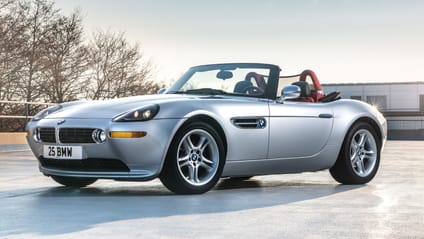
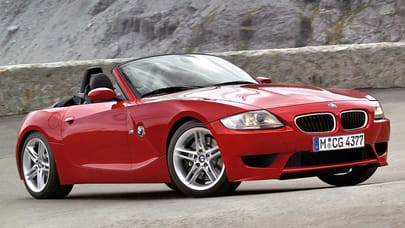
Nobody quite knew what to make of the Z8 when it arrived. It looked stunning, sure, but the fact that it had a full-fat M5 powertrain never really gelled with its rather laid-back approach to life. Then there was the fact it cost the 1998 equivalent of almost £160,000 when it was new. It looked set to be the exact same thing as the 507 that inspired it – a beautiful flop – but now, as a big, charismatic and drop-dead gorgeous cruiser with a wonderful V8 soundtrack, it makes total sense.
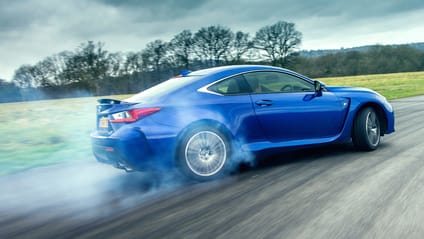
The Lexus RC F arrived around the same time as the first BMW M4 and the twin-turbo V8 Mercedes C63, and the German cars made mincemeat out of it in the inevitable group tests. Back then, though, there were at least a few other big, naturally aspirated V8s around. By the time the RC F went out of production a decade later, various hardcore editions had not only made it noticeably sharper, but its characterful recipe was almost one of a kind, and that counted for a whole lot.
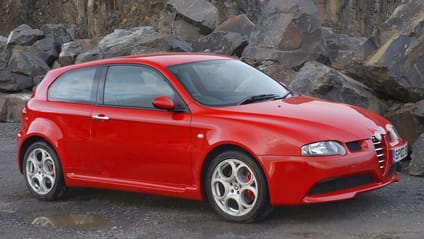
Back in 2002, people were sceptical of Alfa Romeo’s ability to send 247bhp through the front wheels of a 147. And they were right to be – out of the box, the GTA was a bit of an understeery mess. Of course, what was never in doubt was the majesty of that snarling 3.2-litre V6, surely one of the two or three most exciting engines ever fitted to a hot hatch. If only we – and Alfa itself – had realised that the GTA was just a limited-slip diff and a couple of other tweaks away from having the chassis to match.
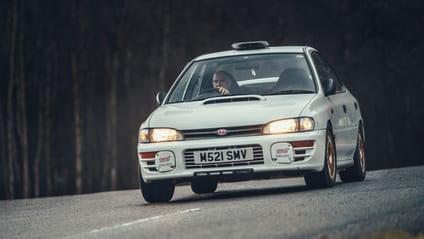
We were understandably swept up in McRae Mania in the mid ’90s, a little awestruck by this world-beating new sports saloon, crafted in Japan and honed in the forests of Wales and Finland. So swept up in fact, that we might have got a bit carried away – the original Impreza Turbo was a competent performance car, but initially not actually all that quick and a little clinical in the way it went about its business. The later STI-fettled versions would be far better.
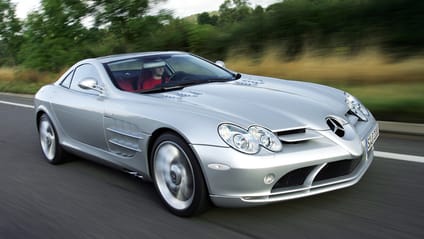
What exactly was the SLR McLaren supposed to be? An SL55 on steroids? A track-pounding rival to the Ferrari Enzo and Porsche Carrera GT? Not even Mercedes or McLaren themselves really seemed to know at the time. A couple of decades later, the answer is obvious: it was the ultimate do-it-all supercar, savagely fast and capable but also able to cross a continent at the drop of a hat. And is it just us, or is that once-controversial styling getting better by the day?
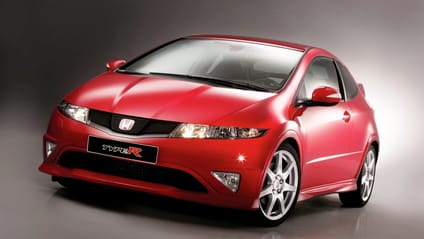
The sense of disappointment was tangible when the second Civic Type R to officially come to Britain rocked up in 2007. Just 1bhp more than its predecessor, and a whole lot more weight to boot, plus that styling that split opinions like some kind of yeast-based spread? That, though, ignores the fact that it still had that fantastically revvy K20 engine, and was still one of the rawest hot hatches around at the time – a drive today would quickly reveal a much better car than we remember.
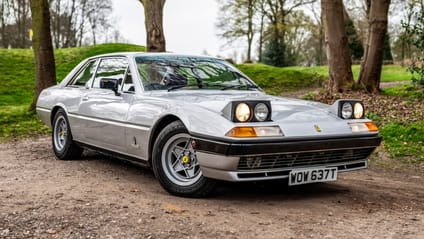
Spending years vying with the Mondial for the top spot on ‘Worst Ferraris Ever’ lists, the 400 and 412 were derided for their boxy looks, relaxed performance and for being the first Ferraris to be offered with an automatic – and a General Motors three-speeder at that. Which all feels a bit unfair – these big 2+2s were only ever supposed to be relaxed grand tourers, purists could still get them with a manual (even if the majority went with two pedals), and to us, those Pininfarina-penned proportions have aged as beautifully as a rich, crumbly, 36-month-aged Parmesan.
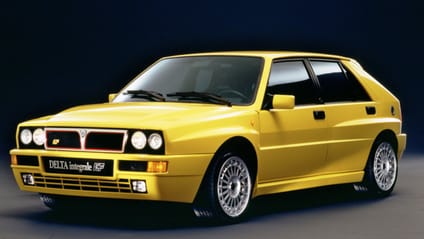
We might be leading a sacred cow straight to the abattoir here, but ask anyone who really knows Delta Integrales, and they’ll tell you that the later Evo and Evo 2 models – the ones that command ridiculous, eye-watering six-figure prices these days – are actually a bit bland to drive. Like the Impreza Turbo, they weren’t as rapid as you think, nor as outright involving and exploitable as some of the earlier, non-Evo versions. Don’t shoot the messenger, okay? We still love them, but if you want to really enjoy a ’Grale, a basic 8-valve version will do just fine.
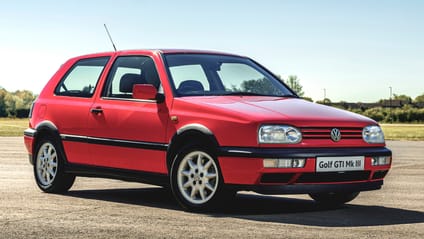
The most forgotten entry in the Golf GTI lineage, sandwiched in between the sensational Mk1 and Mk2 and the deservingly derided Mk4, the Mk3 GTI was given a bit of a kicking at launch for being bigger, heavier and softer than what came before, without making up for it with much extra pace. With the way all cars have become bigger, heavier and less communicative in the intervening years, though, driving a Mk3 now serves as a reminder that even a hot hatch considered mediocre at the time will likely feel engaging and raw today.
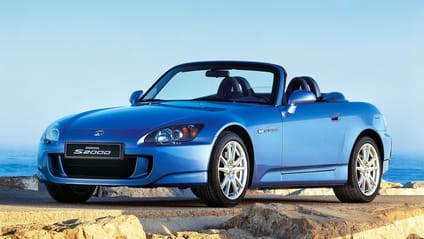
It seemed the Honda S2000 could do no wrong when it was new. Not only was it constantly praised in the press, but it was seemingly more dependable than the Swiss railway, regularly topping ownership satisfaction surveys. Since then, the conversation has changed a little – it’s still a great car, but the lack of torque and edgy on-the-limit handling seem to come up more, not to mention a few cracks that have inevitably appeared in its once unassailable reliability record.
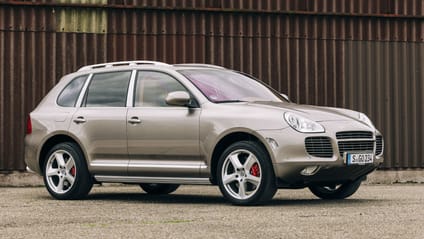
Hideous, unnecessary, and an insult to the very thing that Porsche was supposed to be about – that was the prevailing opinion when the Cayenne first landed in 2002. And sure, its looks remain, erm, challenging today, but we’re so desensitised to the idea of a sports car company building an SUV now that we can look at the Cayenne for what it is: a superb all-rounder. It was remarkably light on its feet for such a big car, and unlike most of the super-duper-mega-SUVs that came in its wake, it was genuinely capable in the rough, too.
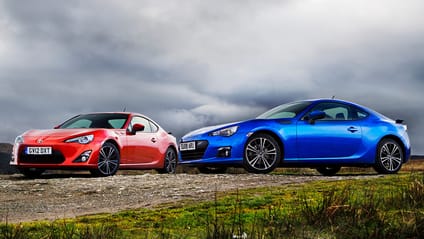
The Toyobaru twins had their fans at launch, but also their vocal detractors, who felt that 197bhp simply wasn’t enough for a sports car in 2012 and (rightly) pointed out that the infamous torque dead spot killed a lot of the fun. If only they’d realised at the time how scarce back-to-basics, affordable sports cars were about to become, they might have given them an easier time, and focused more on the good bits – the approachable but involving chassis, the delightful manual ’box, and the immense tuning potential.
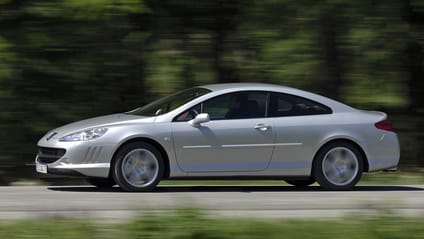
After the svelte, Pininfarina-designed beauty that was the 406 Coupe, Peugeot took things in-house for its next big two-door, and the results were… interesting. That, combined with the fact that it was hardly a sports car, meant the 407 Coupe was met with largely muted praise, but especially with one of the V6 engines, it was a fantastically comfy, quiet and quick cruiser that wouldn’t totally fall apart if you showed it some proper bends.
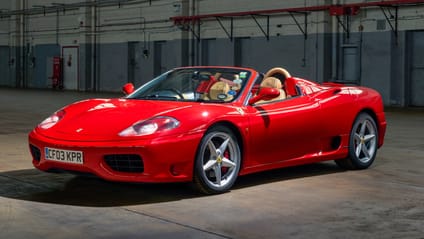
Let’s not mess around: the Ferrari 360 was, and still is, a phenomenal car, one that entirely moved the game on from the earlier 355 from a usability perspective. It was rightly regarded as one of the finest performance cars of 1999, but in the years that have passed, two things have happened. One, the legend of the 355 as arguably the last truly old-school Ferrari has only grown, and two, the F430 that replaced the 360 took its basic recipe to another level. That’s left the 360 looking and feeling a little lost between them.
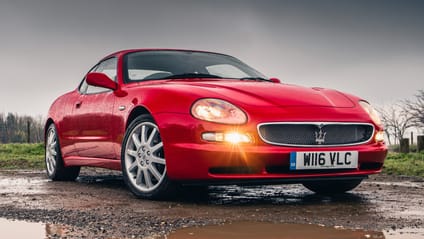
Not everyone was a fan of the 3200GT, the car that was supposed to drag Maserati kicking and screaming into the new millennium, when it launched in 1998. The handling was unpredictable, neither of the gearboxes very good, and Maser didn’t quite seem to know if it wanted it to be a serious sports car or a soft-edged GT. But it was gorgeous to behold from the very beginning, and in the intervening years, it’s pulled the classic Maserati trick of working its way under your skin like few other brands’ cars are capable of.
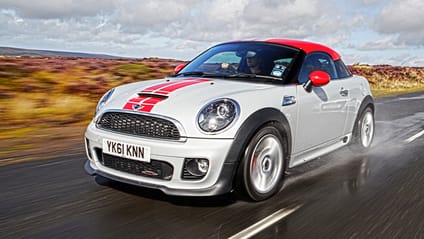
When Mini’s curious and short-lived duo of two-seaters arrived, most of the conversation was around the looks, especially the Coupe’s ‘backwards baseball cap’ roof (the genuine source of inspiration, by the way). They were also notoriously stiff in the ride department, and never really seemed to make much sense, but doesn’t the idea of a small, lightweight sports car imbued with the kind of darty handling we’ve always loved modern Minis for sound appealing now?
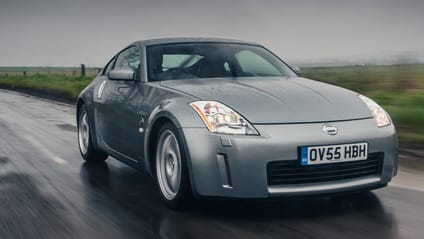
The 350Z is another example of how a rapidly changing car landscape can totally change our views on a car. When it was new, it lost major marks for its stiff ride, tuneless engine and chassis that was more bodybuilder than ballet dancer. The 370Z improved things, but now that manual, rear-wheel drive coupes with big naturally aspirated engines are basically extinct, we’d happily take a 350Z too – especially since it’s always been a great-looking car.
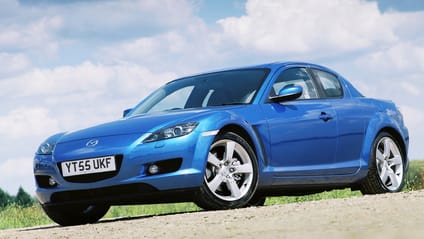
Arriving around the same time as the 350Z, the Mazda RX-8 was many things the Nissan wasn’t. It had a zingy rotary engine that loved to be revved – demanded to be, in fact, if you wanted to get anywhere fast – felt agile and light on its feet, and even had some semblance of practicality with those funky clamshell doors. All that still rings true, but if we’d have known that in the future it’d essentially be a case of when, not if, your engine goes kaboom, we might not have been quite so effusive in our praise.
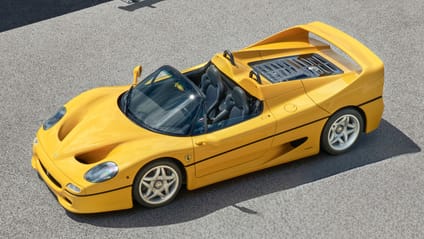
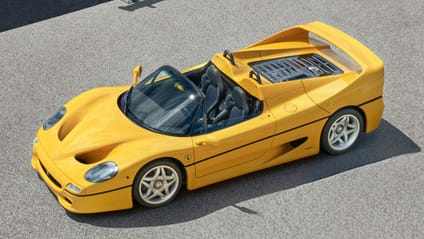
Filling the shoes of the F40 was a tricky enough job for Ferrari’s next hypercar, and the F50 did itself no favours at launch with its gawky styling or its stress-bearing engine that made driving it feel like strapping yourself to a washing machine on a spin cycle. For years, it was the awkward middle child between F40 and Enzo, but the last decade or so has been kind to the F50, largely because it became clear Ferrari would never build a car this unerringly raw and analogue again.
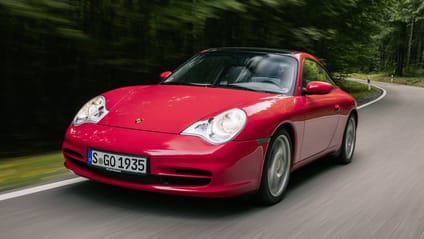
Not to blow our own trumpet, but the world’s car media were never particularly down on the 996-gen Porsche 911. No, the dissenting voices came from the Porschisti, who viewed their beloved bum-engined car’s move from air- to water-cooling and the loss of its round headlights as tantamount to cold-blooded murder on Porsche’s part. Obviously, that was never the case, and in the last few years, people finally seem to be coming around to the reality of the 996 as a brilliant 911 – and the last to be truly attainable.
Get all the latest news, reviews and exclusives, direct to your inbox.